
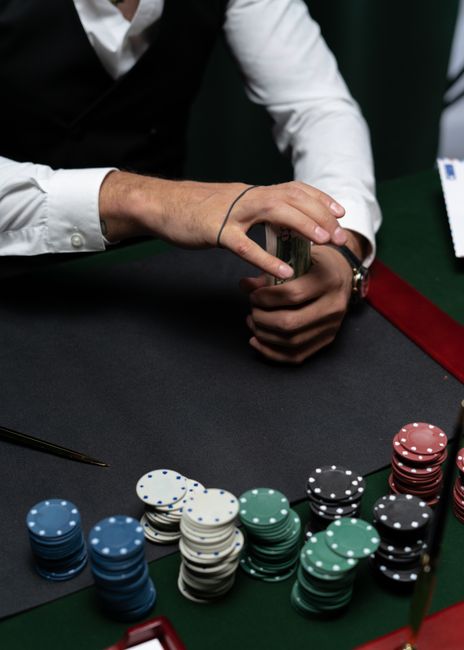
Slots, Poker and the Real Math Behind Your Bankroll
Most players lose because they treat every game the same. They drop €50 into a slot machine, then sit at a €1/€2 poker table, then fire off a few accumulator bets on the weekend — and wonder why the account balance keeps shrinking. The truth is that slots, poker, and sports betting are three completely different economic ecosystems. Once you understand what each one is actually doing to your money, you stop being the mark at the table.
Slots: The House Edge Is the Product, Not a Flaw
Let's start with the most misunderstood game on the floor. A modern video slot is not random chaos. It runs on a certified random number generator, and the payout percentage is baked in by design. A typical online slot sits between 94% and 97% RTP (return to player). That sounds generous until you realise it means the house keeps €3 to €6 of every €100 wagered — not every €100 deposited. That distinction matters enormously.
Here's the part most players never calculate. If you spin €1 a hundred times on a 96% RTP slot, your expected loss is roughly €4. Not €4 per spin. Per hundred spins. The volatility is what breaks people, not the edge itself. High-volatility slots like Book of Dead or Money Train pay rarely but enormously. Low-volatility games like Starburst pay often but small. Neither is "better" — they're different risk profiles.
- Check the RTP before you play. It's usually hidden in the game info panel. A 94% slot and a 97% slot look identical on screen but bleed your bankroll at wildly different speeds.
- Volatility beats RTP in the short run. A 96% high-volatility slot can eat 300 spins without a single meaningful hit.
- Bonus buy features are not free money. They're simply a shortcut to a higher-variance session at the same underlying edge.
- Set a loss limit in the casino's own tool. Software-enforced limits beat willpower every single time.
The practical takeaway: treat slots as entertainment with a known cost, like a cinema ticket. If you spin €200 an hour at €1 stakes on a 96% game, budget roughly €8 an hour as the price of the experience. Anything you win on top is variance, not skill.
Poker: The Only Game Where You Can Actually Have an Edge
Poker is fundamentally different because you're not playing the house — you're playing other people, and the house simply takes a rake. That single fact changes everything. In a cash game with a 5% rake capped at €3, the money you win comes from weaker opponents, not from a mathematical wall designed to grind you down.
But here's the catch that separates winners from lifelong break-even players: the rake is brutal at low stakes. In a €0.01/€0.02 game, a €3 cap takes a huge percentage of each pot, which means you need to be dramatically better than your opponents just to stay afloat. Move up to €0.50/€1 or €1/€2 and the rake becomes proportionally smaller. This is why serious players climb stakes rather than grinding micros forever.
Three leaks that quietly destroy poker bankrolls
- Playing too many hands. If you're seeing the flop in 40% of hands, you're not loose-aggressive — you're a calling station with better branding.
- Ignoring position. The button is worth roughly 15–20 big blinds per hundred hands more than the blinds. Position isn't a tip; it's a structural advantage.
- Not using bankroll management. Standard guidance is 20 buy-ins for cash games and 50–100 for tournaments. Playing €1/€2 with a €200 roll is a coin flip, not a strategy.
Poker rewards study, not intuition. Track your hands in a database, review your losing sessions, and be honest about whether you're actually beating the stake. If you're not profitable after 20,000 hands, the problem is your game, not your luck.
Sports Betting: Where Information Beats Emotion
Bookmakers build a margin — typically 4% to 8% on a two-way market — into every price. Beating that margin over time requires either superior information or superior discipline. Most bettors have neither, which is why the industry is so profitable. If this is new to you, สล็อต is a sensible next read.
The single biggest edge available to a recreational bettor isn't a secret model. It's line shopping. The same match can be priced at 2.10 at one book and 2.25 at another. Over a season, that difference is enormous. Opening multiple accounts and always taking the best price is the closest thing to free money in the market.
- Never bet on your favourite team without comparing prices first.
- Accumulators multiply the bookmaker's margin with every leg you add. Five legs at 5% margin each is a compounded trap.
- Promotional free bets and odds boosts have genuine value — but only if you use them on markets you'd bet anyway.
- Cash-out buttons almost always favour the bookmaker. Treat them as a panic sell, not a strategy.
The Common Thread: You Can't Outrun the Structure
Whether you're spinning reels, grinding a €1/€2 table, or betting a Sunday fixture, the underlying arithmetic is the same. The house doesn't need you to lose every session. It just needs the structure to hold over thousands of decisions. Slots make that structural edge explicit. Poker disguises it in a rake. Sports betting hides it inside the odds.
Where players actually make money is at the intersection of discipline and information. In poker, that means studying ranges and exploiting weak opponents. In betting, it means line shopping and refusing to chase. In slots, honestly, it means accepting that you're buying entertainment and capping the cost.
One Last Thing Before You Deposit
The most profitable move in iGaming isn't a strategy at all — it's knowing which game you're actually playing. If you sit at a slot machine thinking like a poker player, you'll chase losses that were never recoverable. If you bet sports like a gambler instead of a trader, the margin will eat you alive. Pick the discipline that matches the game, set hard limits you can't negotiate with yourself at 2am, and treat your bankroll like the tool it is. That's not a guarantee of profit. It's the only honest edge most people will ever have.
tag: iGaming

Eleanor Whitaker Author
Focus on a central question or change in your life, then select scenes that reveal how you moved from one understanding to another.
YOU MAY ALSO LIKE
Choosing a Memoir Theme That Holds Reader Interest
Sep 24
10Sort pictures by decade, person, and place, then label the backs with names and stories before scanning them for safekeeping and future reference.
read more
Gathering Family Photographs for a Personal History
Sep 20
10Ask open questions about daily routines, local characters, and favourite games, allowing silence and gentle prompts to uncover details that formal histories often miss.
read moreMemoir Craft
-

ERRIC CATONA
Describe the smell of coal smoke, the weight of a school bag, or the sound of a familiar voice to help readers inhabit your remembered world.
May 19, 2016 at 5.12 pm
Reply
ERRIC CATONA
Set aside ten quiet minutes, write three honest sentences, and resist the urge to edit; consistency matters more than length or literary quality.
May 19, 2016 at 5.12 pm
Reply -
ERRIC CATONA
Compare traditional motifs with anecdotes passed down at family gatherings, noting how repeated tales change to reflect each teller’s values and humour.
May 19, 2016 at 5.12 pm
Reply
Life Stories
Your email address will not be published.