
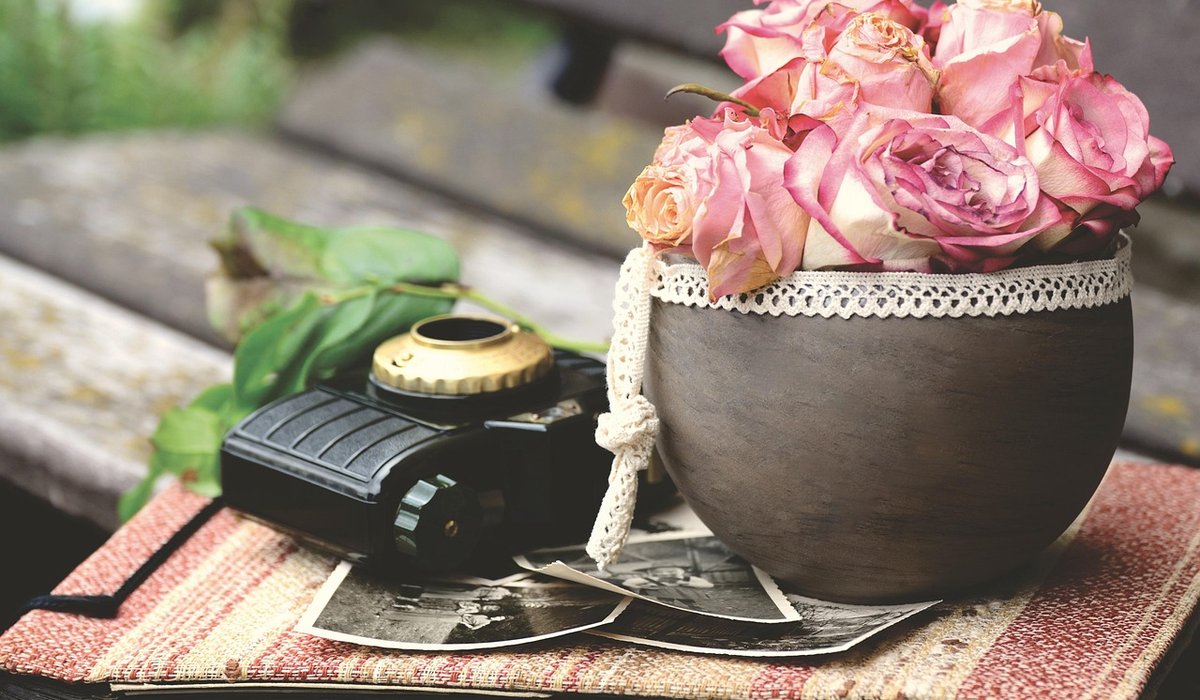
Preserving Recipes and Food Memories in Writing
A recipe card in your grandmother's handwriting can stop you in your tracks. Not because of the ingredients — flour, butter, a pinch of something unnamed — but because of the stain in the corner and the note in the margin that says "good with the brown teapot". That card is a doorway. Behind it sits a whole kitchen: the radio on low, the back door open, someone arguing about whether the pastry needed another five minutes. When you write a food memory down properly, you preserve more than a method. You preserve a household.
Why a Recipe Is Never Just a Recipe
Most family recipes arrive stripped of context. Someone typed them up in the 1990s, quantities were guessed at, and the story got lost along the way. The result is a set of instructions that works but says nothing. Nobody reading it would know that the dish was made every Friday, or that it was the first thing your mum cooked after moving to a new town, or that the whole family ate it out of bowls on their laps in front of the television.
Your job as a memoir writer is to put the context back. Think of the recipe as the spine and everything around it as the flesh. You are not writing a cookbook. You are writing a portrait of a moment, and the food happens to be how you get there.
Start with the Ingredients — and the Hands That Chose Them
Ingredients are where most people begin, and rightly so, but push past the list. For each one, ask yourself a few quiet questions:
- Where did it come from? The corner shop that closed in 2004, the allotment, the tin your uncle brought back from a trip.
- How was it handled? Was the butter left on the windowsill to soften? Did someone insist on grating the cheese by hand because the pre-grated stuff "tasted of nothing"?
- What was substituted, and why? Wartime margarine, a swap during Lent, a workaround when money was tight.
- What was never measured? Most home cooks work by eye. Say so. A "good glug" of oil tells a reader far more than 15ml.
Write the ingredients as a scene as well as a list. If you include a tidy bulleted list for clarity, follow it with two or three sentences of prose that bring the shopping, the choosing and the small domestic arguments to life.
Capture the Kitchen's Soundscape
Sound is the most underused tool in food writing, and it is the fastest route to a reader's memory. Every kitchen has a signature. Sit with yours for ten minutes and write down what you actually hear.
- The thud of a knife on a wooden board, or the tap-tap-tap of a spoon against a pan of custard.
- The hiss when batter hits hot fat, and the way everyone takes a step back.
- The squeak of a cupboard that only ever opened for the good biscuits.
- The radio, the washing machine, a dog barking at the postman, next door's lawnmower.
- Someone humming, or the particular silence of a kitchen when a dish has gone wrong.
Be specific about rhythm. "The whisk against the bowl, fast then slow then fast again" puts a reader in the room in a way that "she mixed the batter" never will. Aim for one strong sound detail every paragraph or so. Any more and it becomes a noise.
The Table Talk Is Half the Story
What was said around the table often matters more than what was on it. Reconstruct the conversation as honestly as you can, and do not tidy it up. Overlapping voices, interruptions and half-finished sentences read as true.
Look for the recurring lines — the ones that got said every single time. A granddad who always announced the same joke before carving. A mother who asked, every Sunday, whether anyone wanted more before she had even sat down. A child who refused the greens and grew up to cook them beautifully. These repeated phrases are the family's own liturgy, and they belong in the writing.
Include the awkward moments too. The row about a borrowed car, the meal eaten in near silence after bad news, the guest who never came back. Memoir that only serves up the warm and golden rings false. A little tension makes the tenderness believable.
A Simple Page Format That Works
You do not need a complicated structure. Try this and adapt it:
- A title with a name attached: "Nan's Apple Crumble" rather than "Apple Crumble".
- A short opening scene: three or four sentences setting the time, the place and the person.
- The ingredients, with notes in brackets where memory is uncertain.
- The method written as narrative, weaving in sounds, smells and asides.
- A closing memory: the last time you ate it, or who makes it now.
Record everything in the present tense if it helps the scene feel alive, then switch to past tense for reflection. Consistency matters less than warmth.
Gathering Memories Before They Slip Away
Start while the people are still around to ask. Ring an aunt and ask what her mother's kitchen smelled like on a baking day. Ask a cousin what the family always argued about at Christmas dinner. Record the call if they agree, and write up your notes the same evening, while the phrasing is still in your head.
Then cook the dish. There is no better research. Notice what the recipe leaves out, what you had to guess, and how the kitchen felt while you worked. Write those gaps down honestly — a memoir with a few visible seams is far more trustworthy than one that pretends to know everything.
Finally, make copies. Print them, tie them with string, tuck them into birthday cards, and hand them round the family at the next gathering. A recipe with its story attached stops being a set of instructions and becomes an inheritance. Long after the handwriting fades and the quantities stop making sense, someone will still hear the whisk against the bowl, and know exactly whose kitchen they are standing in.
tag: Family History

Eleanor Whitaker Author
List births, moves, jobs, losses, and celebrations in rough order, then mark the moments that still provoke strong feelings or unanswered questions.
YOU MAY ALSO LIKE
Creating a Timeline of Significant Personal Events
Aug 19
10Choose a clear focus, prepare consent forms, test your recording equipment, and plan questions that encourage reflection rather than simple yes or no answers.
read more
What to Include in a Short Oral History Project
Aug 15
10Read your drafts aloud, notice the phrases that sound most like you, and gradually strip away borrowed styles until the page feels honest and direct.
read moreMemoir Craft
-

ERRIC CATONA
Cut repetition, clarify chronology, and check facts, but protect the raw details and emotional truth that give your story its distinctive character.
May 19, 2016 at 5.12 pm
Reply
ERRIC CATONA
Compare print options, set a realistic budget, gather addresses, and choose a simple format that suits photographs, documents, and short written memories.
May 19, 2016 at 5.12 pm
Reply -
ERRIC CATONA
Move beyond dates and names by asking how people felt, what they noticed, and why certain events remained important throughout their later lives.
May 19, 2016 at 5.12 pm
Reply
Life Stories
Your email address will not be published.